



90 Days Around the World
On May 27, 1994, three four-seater Morgan 4/4 Tourer models departed from the south of France on an unforgettable journey around the world.
The idea for this global adventure was born during a conversation among members of Les Mousquetaires, the Morgan owners’ club in France. Tired of ordinary local drives along familiar roads, this group of friends sought a far more adventurous challenge worthy of the legendary Musketeers. After an enthusiastic evening of discussion at an inn in southern France, the plan became clear: to drive around the world.
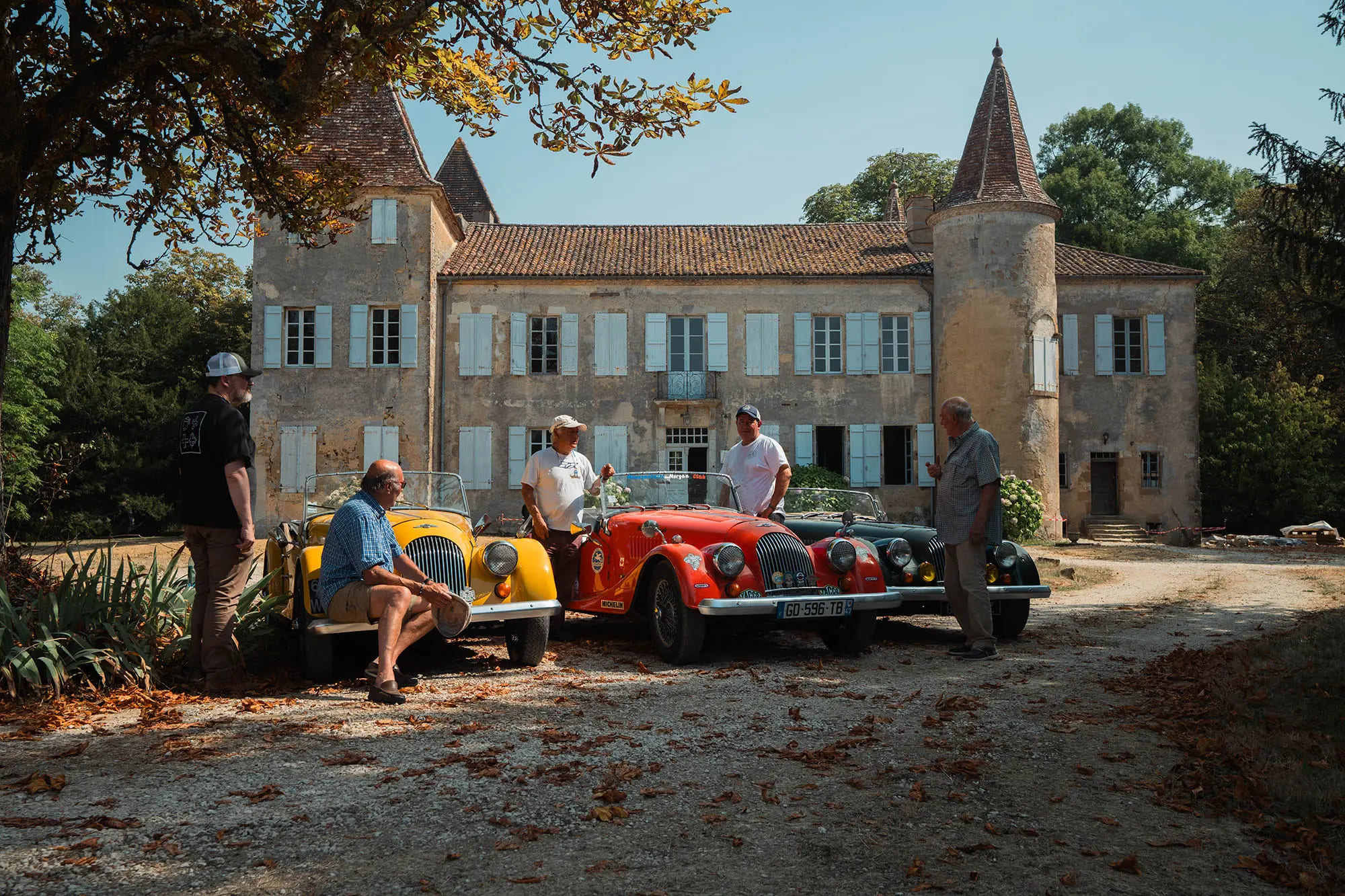
To make this possible, three cars were purchased and prepared for the expedition with support from John Donovan of the MSCC and the Morgan factory in Malvern. As part of the preparation process, Plus 8 fuel tanks were installed to increase range, underbody protection was added against stone damage, and tow bars for trailers were fitted. Ride height was increased to better handle difficult terrain conditions, while durable Michelin “X” tires with taller sidewalls were selected. Hidden compartments were also integrated into the vehicles to safely carry various supplies and equipment, particularly for isolated regions.
The mohair roofs and roof frames of each car were completely removed, and the decision was made to complete the entire journey without a roof regardless of weather conditions. Jean-Louis’ car, named Elliot, still does not have a roof even 31 years later.
A Historic Starting Point
Located near the small town of Lupiac in southern France, Château de Castelmore is the birthplace of the French Musketeer Charles de Batz de Castelmore — better known as d’Artagnan. D’Artagnan served as captain of the Musketeers of the Guard under King Louis XIV. Famous author Alexandre Dumas later based his legendary Musketeer stories on the real-life adventures of d’Artagnan.
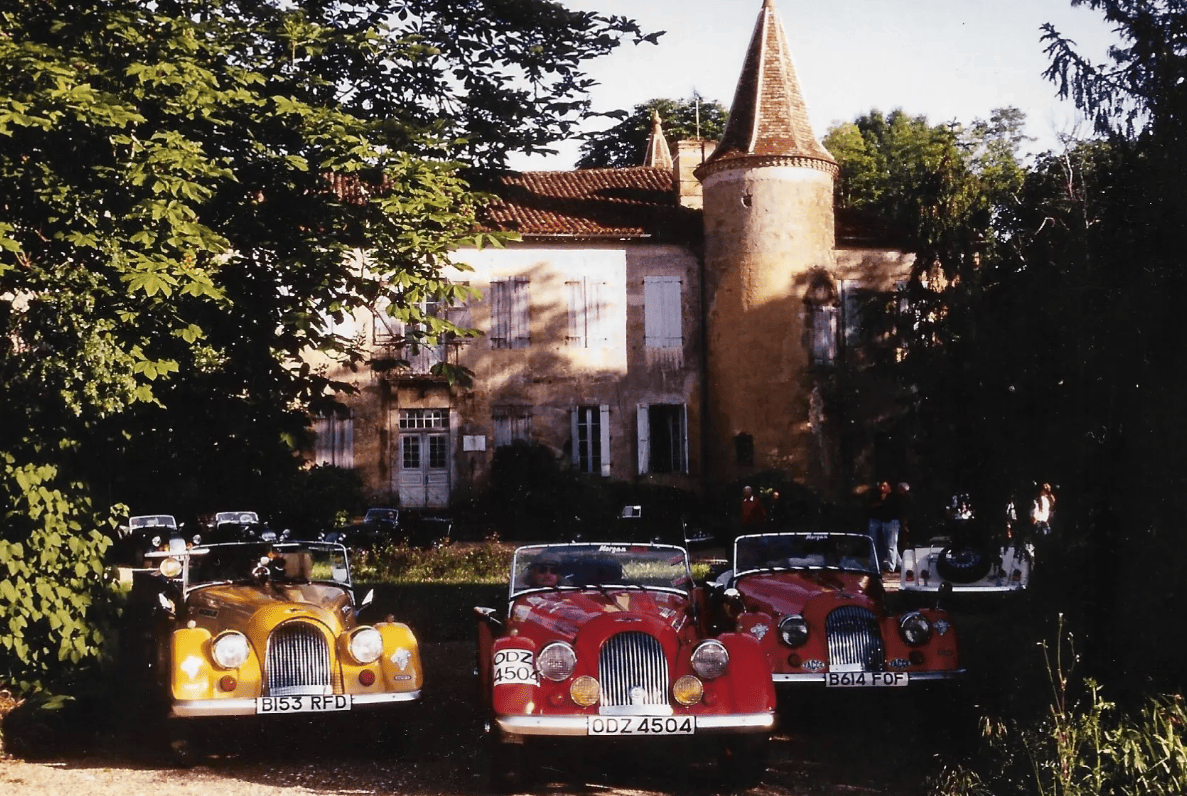
This historic location therefore became an especially meaningful and fitting departure point for the journey.
From Europe Toward the East
The first stage of the route led north with a relatively short drive to Paris, where a gathering with members of the Morgan Club de France took place. A small number of British Morgan enthusiasts also joined the group to accompany them as far as the Belgian border.
The next stop was Brussels’ famous Grand-Place. Around 60 Morgan automobiles gathered in the heart of the square for an extraordinary meeting. Although parking was normally prohibited there, Morgan’s unique charm made this the first — and only — time such an event was permitted.
Following Brussels, the route continued through Hamburg, Copenhagen, and Stockholm. From Stockholm, the team crossed into Finland via an overnight ferry before entering Russia through a heavily guarded border crossing. A long customs queue was elegantly overcome with the discreet presentation of a carefully wrapped single malt whisky. No photographs of this official process exist.
The Human Side of the Journey
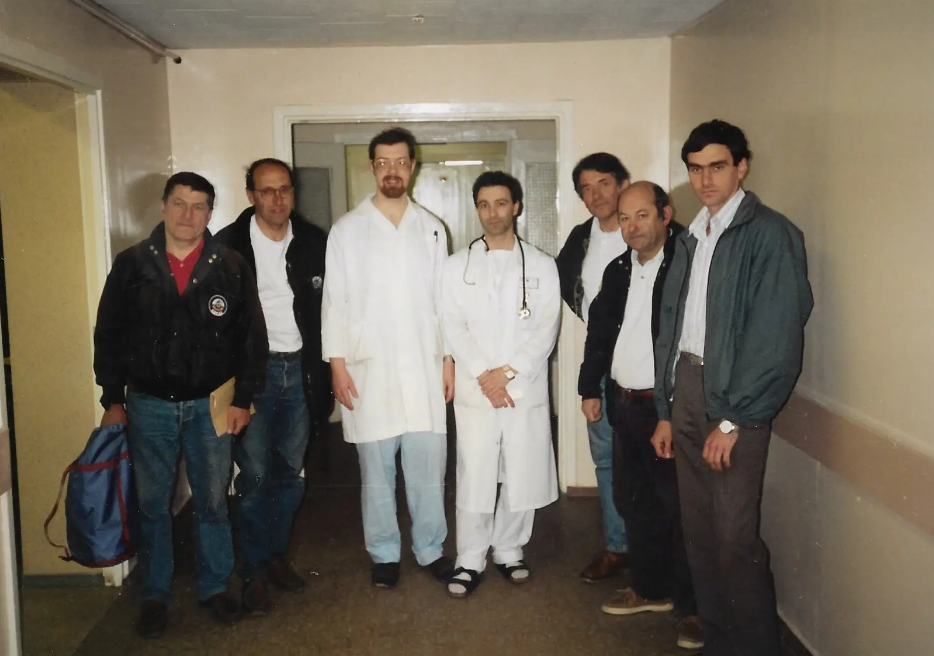
One of the reasons trailers were used was to transport urgently needed medical aid and supplies to hospitals in St. Petersburg. For the biologist members of the team, this mission represented a particularly meaningful aspect of the expedition. Alongside AIDS and hepatitis testing materials, medicines for newborn babies were also delivered.
The team additionally organized seminars and presentations in hospitals across St. Petersburg, Moscow, Omsk, and Novosibirsk, focusing on the prevention and screening of AIDS and viral hepatitis.
Harsh Conditions, Real Adventure
Sticking to a predefined schedule became increasingly difficult, as daily driving distances varied dramatically between 100 and 600 kilometers. This often required 10 to 12 hours of driving per day. In certain regions, road conditions were so poor that leaving the roads entirely was sometimes easier than continuing on them.
Because hotels were uncommon throughout rural Russia and Mongolia, accommodation was often limited to simple roadside camps. Nevertheless, many villages and families encountered along the route were remarkably eager to host the Europeans traveling in these unusual automobiles. Many Russian police officers at checkpoints simply laughed upon seeing the roofless cars.
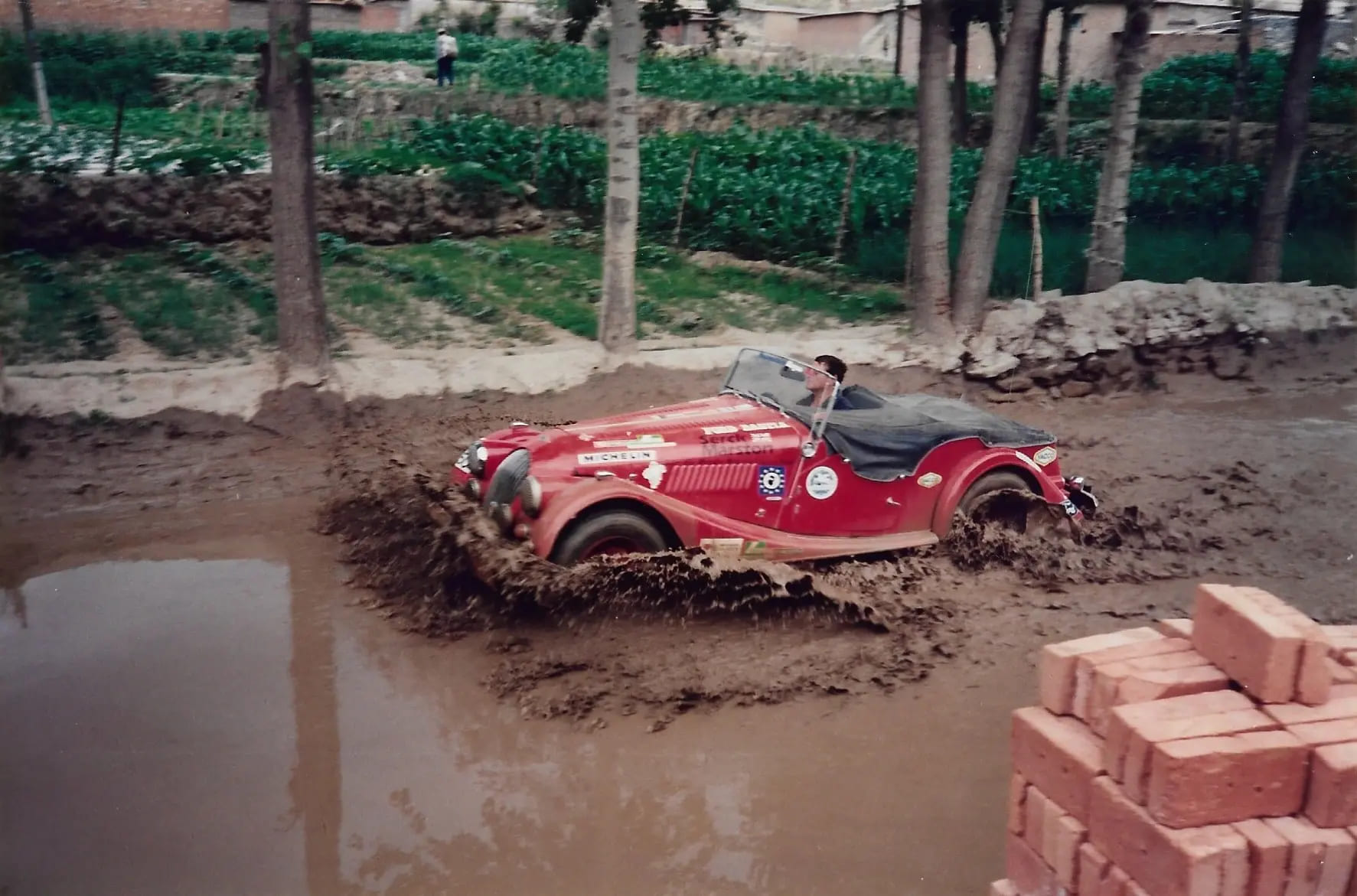
During their time in China, the group was required to travel with a government official accompanying them at all times. One evening, after an enjoyable dinner, the adventurers cleverly slipped away from their assigned guide and appeared in Tiananmen Square dressed in full Musketeer outfits.
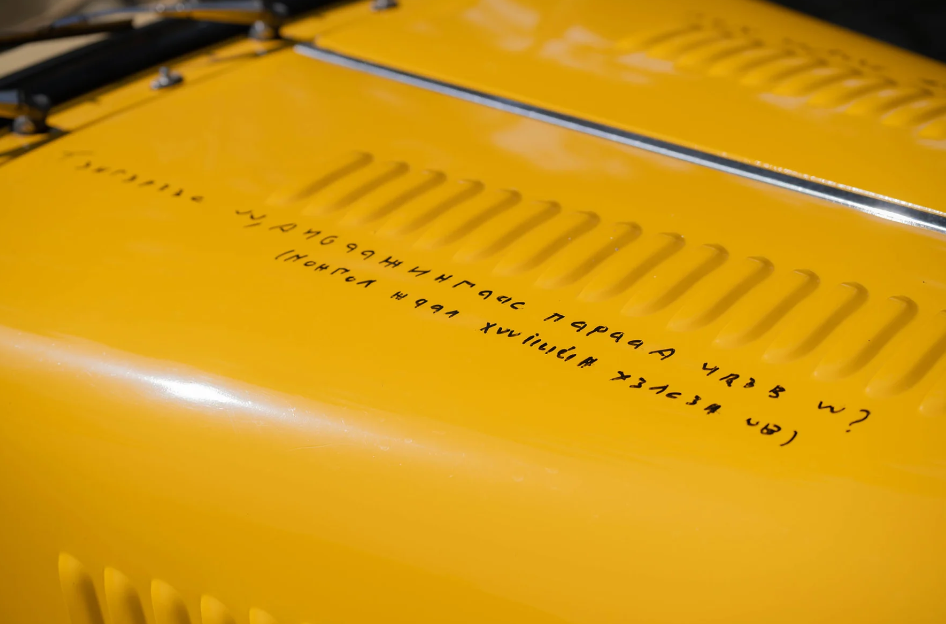
“Does this car come from heaven, or from another heaven?”
— Words spoken to Jean-Louis by a Mongolian child